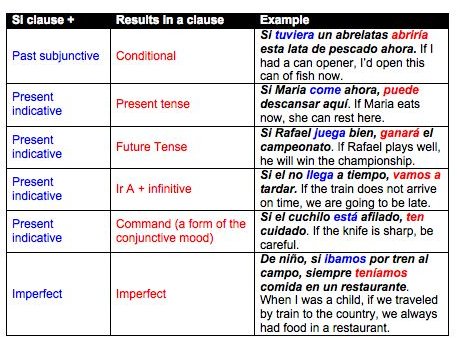
Spanish Verb Usage: Si (if) clauses
As in English where we use “if” clauses (e.g., “If you can read this without glasses…”) Spanish “si” clauses are used to express the hypothetical. The …
Continue ReadingShowing guides and explainers filed under Posts.
As in English where we use “if” clauses (e.g., “If you can read this without glasses…”) Spanish “si” clauses are used to express the hypothetical. The …
Continue Reading
Being able to describe what you want and don’t want to do, or asking the same thing of others, is a very helpful tool in basic conversation. …
Continue Reading
“Not This Bear!,” by Bernice Myers, although first published in 1971, is a humorous gem that offers up perhaps the most important lesson a K-1 student …
Continue Reading
Get your complete introduction to English conjunctions with this article. Read on and you will learn the types and functions of these little …
Continue Reading
Summer is a great time to bring nature indoors for fun classroom activities. Activities for summer fun include growing an indoor garden for students …
Continue Reading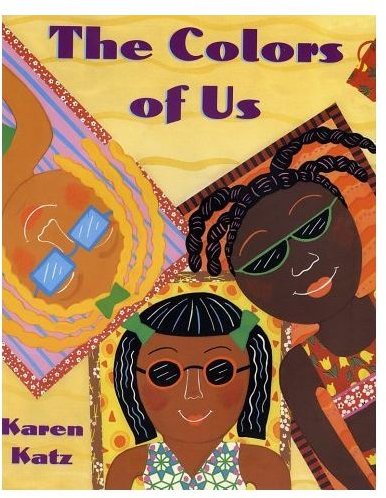
It is important that children begin to learn about diversity at a young age. This lesson incorporates a variety of activities that will encourage …
Continue Reading
Classrooms can be chaotic at times and modern life is full of distractions for your students. By using Fredric Jones’ “Positive …
Continue Reading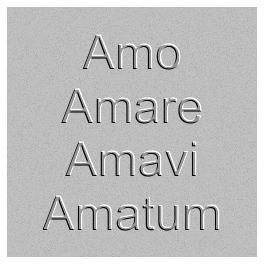
Learning a new language requires an examination of words in both the learner’s native tongue and the foreign language. Properly translating words …
Continue Reading
If you’re considering using podcasting as part of your classroom activities, but you’re stuck for ideas, here are four ways that you might …
Continue Reading
Spanish verbs have seven compound tenses. These tenses are formed by combining the Spanish verb haber (to have) with the past participle of the verb …
Continue Reading