Preschool is not all about play, but also provides a strong base for learning and prepares kids academically for Kindergarten. Learn more about the concepts they will learn and how it helps them prepare for learning in the latter years.
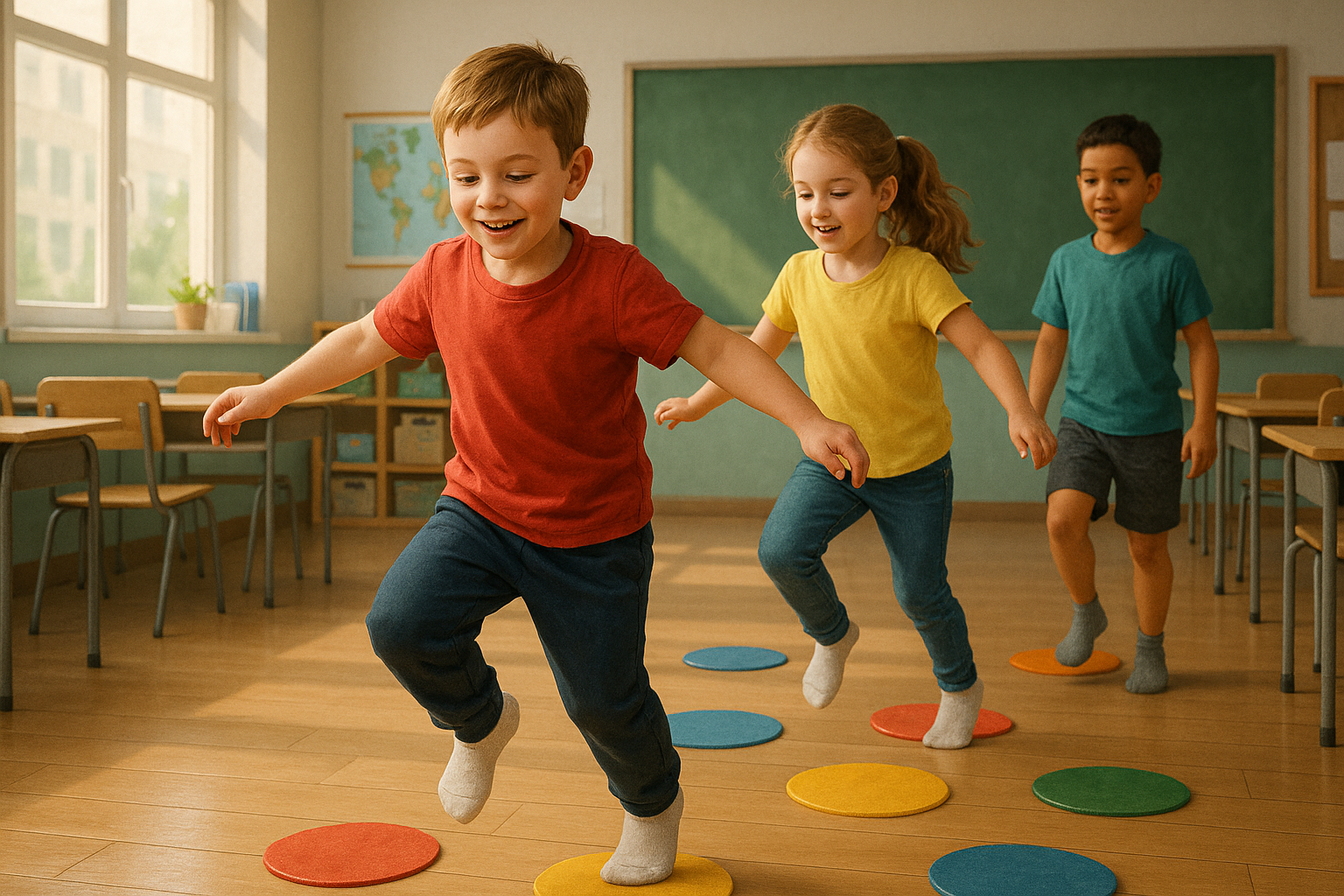
There are many ways preschool prepares a child for Kindergarten. Socially, preschool gives children opportunities to interact with other kids through participation in class activities. Young children need to develop skills for sharing their feelings or learning appropriate ways to behave. Kids will be encouraged to express their own unique qualities through play. In these and other ways, preschoolers learn important social skills.
Attending preschool is a great chance for kids to get a head start on learning a variety of academic concepts they will use in Kindergarten. A base for learning will give them the knowledge and confidence to do well in Kindergarten. Preschool provides a fun, exploratory way for children to grow academically in areas, such as:
- Early literacy and alphabet concepts
- Numbers, counting and math basics
- Colors and art activities
- Science basics
- Physical health and safety
Early Literacy, Phonics and Alphabet Concepts
During preschool, kids learn early literacy concepts that provide a base for learning to read and write . Introducing literacy concepts help them learn to read faster in Kindergarten and provide a life-long love for reading.
Preschool will give young practice with learning the alphabet. Alphabet letters and phonics are taught through various preschool activities. Kids will also be encouraged to practice writing letters, including their name and commonly used words.
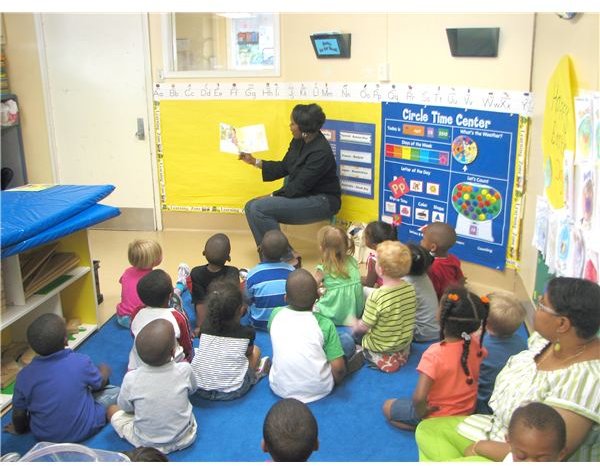
Early literacy concepts are introduced by reading books. Story time in class as well as having parents read to their children at home will help kids begin to learn concepts of print, such as, letter combinations make words and text is read from left to right. Books that have repetitive phrases are great for this age because kids can memorize and “read” it.
Numbers, Counting and Math Basics
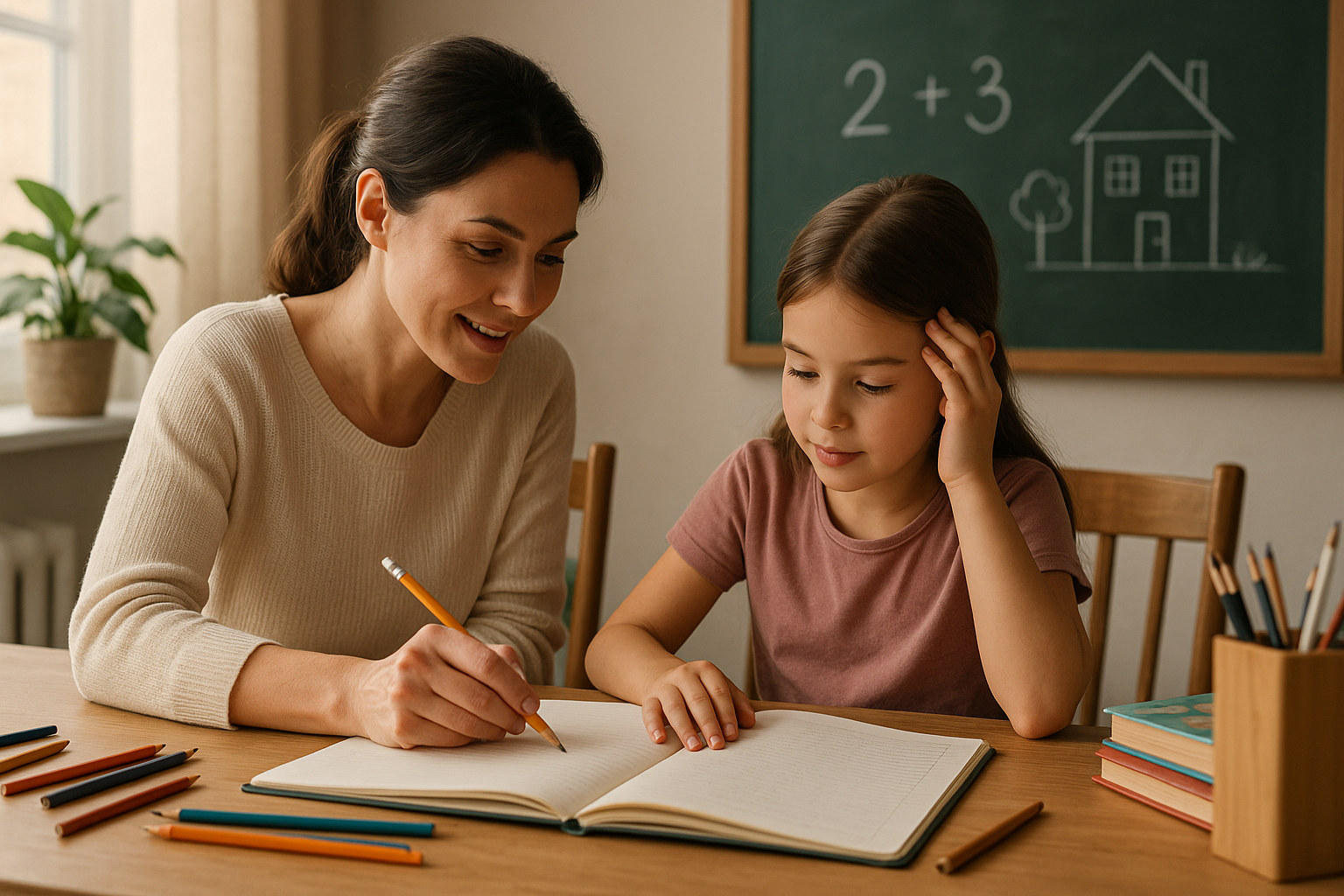
Preschool provides a learning base for math concepts. Kids can learn one-to-one counting skills ; they also learn to recognize numbers and quantity concepts. Some math activities may be best learned through hands-on activities, others are learned through teacher instruction.
Through preschool, children learn about patterns and classifying objects such as by similarities, differences or opposites. They learn to recognize shapes and compare shapes and sizes of objects through preschool activities.
Colors and Art Activities
Art is a great way to teach kids to recognize and name colors. Art activities in preschool provide the basis for following directions and hand and eye coordination while encouraging creativity. Allowing preschoolers to explore art gives them a good base for using their imagination. They will also learn important concepts such as coloring in the lines as well as fine motor skills, including how to hold a pencil or crayon, how to use glue and cut with scissors.
Science Basics
Preschool teaches kids basic science concepts through instruction, observation, and hands-on learning. They learn science processes such as magnetism, weather, camouflage and sink and float. Another part of science is learning classification, such as that of animals and plants and living and non-living things.
Physical Health and Safety
Preschool will introduce students to physical health and safety. Physical health concepts includes teaching kids about the human body and the basics of the importance of healthy eating and exercise. Learning safety concepts is a serious matter and could teaches a child what to do in certain situations. Kids at this age begin to learn basics of daily living, such as, their full name, address, phone number , what to do in an emergency, stranger danger and what to do if they are lost or hurt.
Give your Child a Head Start
Preschoolers get a head start on learning things they will need to know in Kindergarten, including beginning literacy, learning about math and numbers, colors and art, science, physical health and safety. Preschool also gives kids a chance to interact with others, learning important social and behavioral skills. Already used to a classroom setting, a child who has been to preschool is more likely to make an easier transition to starting Kindergarten and be more confident in his or her academic abilities.
Source
Preschool and Kindergarten Milestones
Photo: Google Images
This post is part of the series: Preschool Teaching Resources
Included in this article series is a variety of helpful information for teachers of preschools, including varying subject matter and approaches for teaching.