The Cities of Thessalonica in Greece, Alexandria in Egypt and Antioch in the East have an ancient and perhaps mystical sound to them, as do the Cities of Carthage and Marsilia in the West. But did you know that these were the Latin names of the five major cities of the Roman Empire?
Rome the Capital
The center of the Roman Empire was Rome, the Eternal City that was built east of the Tiber River. The layout of the streets and the
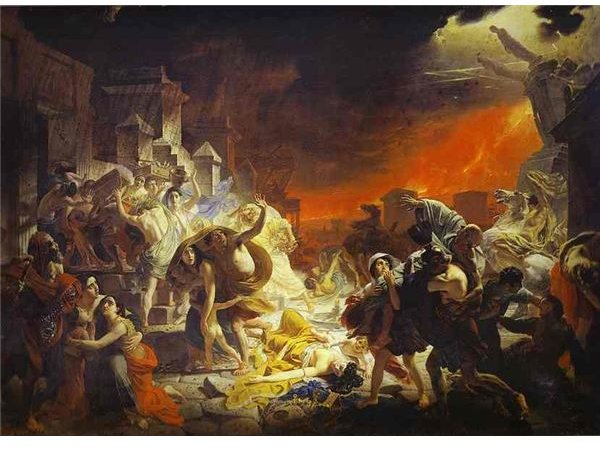
building of sewers can be credited to the Etruscans. However, perhaps the famous Roman city and possibly the most notorious is Pompeii, which on August 24th, in 79 AD, was destroyed when Mount Vesuvius erupted.
Major Cities in Present-Day Italy
From the first century, Italy as it now known fell under the control of the Romans and was naturally the view point for some of the major cities of the Roman Empire. The city of Milan in that period was known as Mediolanum and was founded as the Roman Empire was starting to disintegrate.
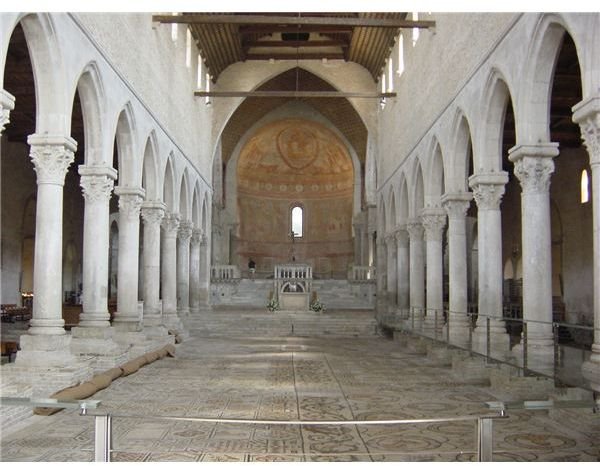
Two of the largest and influential cities during the time of the Roman Empire were Zenobia, which controlled vital trade routes to Rome and Antioch. In the fourth century BC, Ostia Antica in the area of Lazio became an important port and near to Tivoli, the Roman Conqueror Hadrian built a palace. Aquileia was re-built and renovated by the Emperor Augustus. At this time it was an important commercial center, similar to that of Venice in later times.
A household name and one of the major cities of the Roman Empire is the famous city of Turin where there is the Porta Palatina commemorating the success of Caesar Augustus . In the Northern part of Italy lies Almium Ingaunum, in modern days called Albenga, which was another important Roman seaport.
Cities Across Europe
Across the length and breadth of Europe and beyond, the Roman Empire built and developed great cities. Founded in 89 AD, Aquincum in Hungary, now known as Budapest, is such an example; another is Bonna founded in 18 AD, now called Bonn. The list of cities founded by the Romans appears endless and many still remain to this day. Among them is the great city of Cologne (Colonia Agrippina).
There are many major cities of the Roman Empire across the United Kingdom that can claim their links to the Roman invasion. Whilst Colchester is reputed to be Britain’s first Roman city, other well known cities from Roman times are to name a few: Winchester, York, Gloucester and Canterbury.
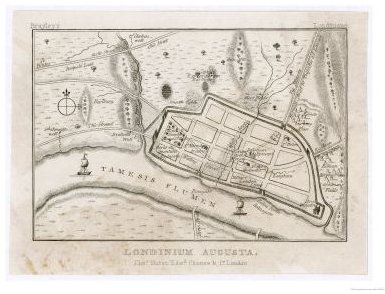
However, the Roman Empire’s focal point was Londinium, now London. The City of Chester is full of character and Roman Empire heritage. The Roman wall around the city is a constant reminder of those days. Though much of the city of Wroxeter (Viroconium) remains hidden below the earth, it was the fourth largest city in Roman Britain and a thriving civilian center.
References and Image Credits
GalenfrySinger.com. Cities of the Roman World .
Brittanica Express. Roman London .
LondonOnline. London in Roman Times .
Image Credits:
https://www.oceansbridge.com/oil-paintings/product.php?xProd=81535
https://commons.wikimedia.org/wiki/File:Aquileia ,_Basilica._Interno_-_Foto_Giovanni_Dall%27Orto.jpg