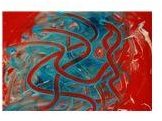
This is a great and inexpensive art activity suited to younger students with special needs. It is well suited to students who are tactile defensive and the end result is surprisingly effective.
What You Need
For this activity, you will need the following:
- A can of shaving cream (check that none of your students are sensitive to scents, fragrances, colors etc)
- A packet of food dyes (vegetable based)
- A flat surface
- Large sheets of cheap, plain paper
- Art smocks on everyone!
What to Do
Explain and / or demonstrate the activity to your students. Have a sample finished product available for them to see.
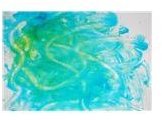
Spread some shaving cream directly onto your work surface. It works well if you simply squirt it on in some great big clumps spaced across the table top.
Encourage students to explore the texture of the cream - they may like to use finger tips initially then whole hand (or arms!) when they become more confident and familiar with the task. Don’t force the issue with students who are tactile defensive - sometimes a little bit of experience goes a long way. Try demonstrating or involving the student in some other way if needed. Forcing a child to participate against their will can make it hard for them to cope in your class later on.
Drop a few drops of food color into the table and encourage students to explore what happens when they spread the color through the shaving cream. A particularly effective result comes from blending two or three colors together (try a drop of red and a drop of yellow to make orange for example).
Show students how to make patterns and swirls through the cream with their fingers, the flat edge of their hand, or to drum their fingers against the table to make a splattered effect.
Place a sheet of paper flat over the shaving cream design on the table and pat it a few times to ensure the cream and color sticks well.
Gently peel the paper away from the table. The result will be a multi colored, patterned sheet of paper which now needs to sit for a short time to dry.
Why Do This Activity?
There are many goals you could have for this art activity. They include:
- Increasing hand function and finger dexterity
- Learning about blending colors
- Decreasing the impact for students who are tactile defensive
- Making choices between two or three colors
- Making choices about style and appearance of a finished product
- Planning who to give the art work to as a gift
- Building skills at working with a partner or in a small group
- Building skills at turn taking