In Mexico a National Holiday is celebrated November 1st and 2nd called the Day of the Dead. Mexican families gather on this day to remember their lost friends and family and pray for the peace of their souls.
One of the most misunderstood and often, misconceived celebrations of our times has to be the Mexican Day of the Dead. Many
believe that the Mexican tradition is similar to Halloween. Although Halloween and the Day of the Dead celebrations do share a day, the comparison ends there.
The Day of the Dead rituals actually last three days, starting on the 31st of October and lasting into the second day of November. The purpose of the festival is to celebrate the lives of those whom the Mexican people have lost, specifically, family members and friends.
Small altars are built all over the cities. Most go to the cemeteries and leave altars on the graves of the deceased, but some are kept in the family’s home. Altars typically include the deceased’s favorite food and drink. Mexicans believe that to celebrate life, one needs to celebrate death, too, which is the underlying motivation of celebrating this festival.
The Tradition
It is believed that the Day of the Dead or Día de los Muertos had been celebrated for more than 3000 years. It has been hypothesized that this celebration may have been derived from the Aztec festival called Mictecacihuatl which translates into “Lady of the Dead”.
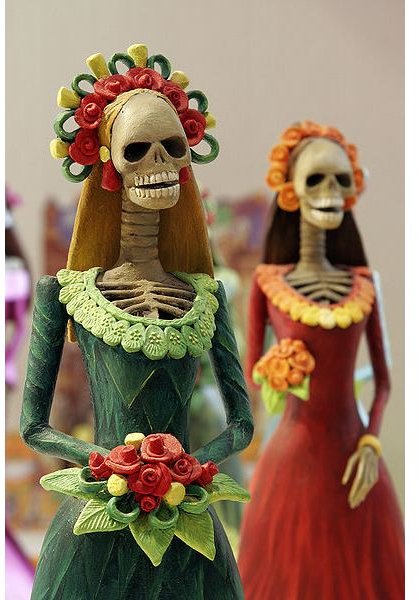
Today, this day is a celebration of life, despite the fact that its name indicates the opposite. Each person celebrates in their own way, through song and dance or through faith, prayer and family gatherings. The most obvious, and publicized tradition has been the use of skeletons throughout the festivities. This includes dolls, statues, cakes and foods all shaped like skeletons. People also tend to use face make-up to appear as a skeleton for the celebration. Mexicans believe that Day of the Dead items can bring good luck. Many people get tattoos or have dolls of the dead to carry with them to the cemeteries in the belief that this will chase away the bad spirits.
Similar festivals are celebrated in other Latin American countries as well. The traditions have changed across the regions and boundaries but the underlying spirit is the same, remembering the forgotten ones. In Brazil, people remember their lost ones by celebrating ‘Dia de Finados’ festival. Even in Spain and Colombia, similar festivals are celebrated and people visit churches and cemeteries to pay tribute to their departed friends and family members.
The Celebrations
Over the three days that encompass this festival of the dead, all kinds of celebrations, from parties with music and dancing to introspective family gatherings are organized. The festivities are most colorful in the southern regions of Mexico. Cities are littered with skeleton statues. People dressed as skeletons, attach shells to their clothing to make a noise like rattling bones while they dance. The noise is meant to attract the spirits of the dead to join them in the festivities.
Another recent trend is the amount of people who frequent tattoo parlors, getting tattoos to commemorate those the parlor’s clients have lost.
Outside of the dancing and parades, there are those who celebrate the loss of their loved ones in a more private way. Some bring altars to the cemetery and spent time praying at the grave. Others build small shrines in their homes. These shrines typically include a Christian cross, a photo of the Virgin Mary and of the deceased along with candles. Prayers are made around the shrine along with the telling of stories and anecdotes involving the person whom the shrine was built for. The parties and festivals may be the most memorable part of the Day of the Dead for tourists but it is really about love, faith, loss and the memory of loved ones.
Mexicans cook traditional foods to enjoy it with friends and family. Gingerbread skeletons, pan de muerto, Mexican hot chocolate, and champurrados are some of the most popular Mexican dishes that are prepared and eaten during the festival days.
Another unusual fact is that the observance is celebrated in different styles in different cities of the country. For some reason, it is believed, the celebrations change after every few miles.
Today, Latin Americans, especially Mexicans, have settled down in the US in great numbers. The festival has become Americanized to some extent. People celebrate Halloween and the Mexican Day of the Dead simultaneously, making the it the perfect example of two cultures meeting with open minds.
References
- National Endowment for the Humanities: Mexican Culture and History through Its National Holidays, http://edsitement.neh.gov/lesson-plan/mexican-culture-and-history-through-its-national-holidays#sect-thelesson
- National Park Service: Day of the Dead, http://www.nps.gov/cham/historyculture/day-of-the-dead-celebration.htm
- Image: Catrina by Tomascastelazo , under public domain on Wikipedia Commons