Teach young children how seeds grow with these books and circle time discussions, activities and instructions for growing plants in the preschool classroom.
Planting seeds is a fantastic Spring theme, and is always a lot of fun with pre-school children. There is an endless amount of books, songs and activities about growing things and the children are sure to love learning about how their world works.
Circle Time
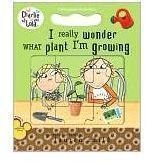
Introduce the theme by reading I Really Wonder What Plant I’m Growing by Lauren Child. Another great book is The Tiny Seed, by
Eric Carle. Discuss what experiences the children have had with growing things, including large plants such as trees, and smaller plants such as daisies or buttercups. Talk about the plants and flowers in the school playground, and in children’s gardens.
Show children a diagram of a flower. Posters with key vocabulary placed in the classroom are a good idea, and printing smaller versions for the children to label is a popular learning activity.
Roots – Gets water and food from the soil
Stems – Carry water and food around the plant, feeding the leaves
Leaves – Make food for the plant through photosynthesis
Flowers – Produce seeds for new plants or fruit
Seeds – Can be planted to grow a new plant
Growing Seeds
You Will Need:
- Various beans
- Plastic containers, such as yogurt pots.
- Soil
- Watering cans
Give each child a container, which they could label or decorate to personalize. Allow each child to half fill their container with soil, and dig a small hole in the middle. Each child should pick a bean, and place it in the hole. Cover the bean, and water it twice a day. Create ‘Plant’ journals, to document the growth of the bean. You could record this by encouraging children to copy sentences from the board, or taking photographs of each container every day and attaching these to the diary entries.
If you have a nursery garden, you could allow the children to choose which vegetables and plants to grow there, and take them out in groups to tend to the garden. Buy a range of gardening equipment, and show the children how to use each one to prepare the soil, plant the seeds and help the seeds grow. This makes a great class project, and the children will love watching their garden grow! You could send some vegetables home with each child at the end of the project, or sell the vegetables to parents to recoup any money spent on the garden.
Ideas for Learning and Activities
Buy a few packets of different types of beans, and use them in a math lesson. Encourage the children to sort them, by size, color or type. You could also use them for math activities, moving the beans around to demonstrate addition and subtraction, or getting children to count beans and split them into groups of one, two, three, four, five…
Use a sensory table filled with types of seeds and beans, and tools for the preschoolers to explore them. Measuring cups, spoons and soil are all excellent for encouraging children to explore, and will help to develop fine motor skills and hand-eye coordination, too.
Plan a visit to a Botanical Gardens, or local garden centre. Talk to the children about the different types of plants there, and how they are different to the ones grown at home. Talk about exotic plants, and how we can eat the produce of some plants, such as tomatoes. Ask the children what the plants need to grow, and how we can look after plants. Allow the children to ask questions, and see how much they understand and which part of plant-growing they are most interested in.
Songs
Plants (Tune: Heads, Shoulders, Knees and Toes)
Do you know the parts of plants, parts of plants? Do you know the parts of plants, parts of plants? All kinds of plants that grow and grow and grow. Do you know the parts of plants, parts of plants?
Therootshold the plant in place, plant in place. The roots hold the plant in place, plant in place. The roots store food and water too. The roots hold the plant in place, plant in place.
The stem moves water up the plant, up the plant. The stem moves water up the plant, up the plant. The stem brings water to the leaves. The stem moves water up the plant, up the plant.
The leaves soak up the sun, soak up the sun. The leaves soak up the sun, soak up the sun. The sun helps the plant to grow and grow and grow. The leaves soak up the sun, soak up the sun.
Theflowergrows into a fruit, into a fruit. The flower grows into a fruit, into a fruit. Inside the fruit are little, tiny seeds. The flower grows into a fruit, into a fruit.
Dandelion Song
author unknown
One little daffodil had nothing much to do, Out popped another one, then there were two.
Two little daffodils were smiling at a bee, Out popped another one, then there were three.
Three little daffodils were growing by the door, Out popped another one, then there were four.
Four little daffodils were glad to be alive, Out popped another one, then there were five.
Five little daffodils were wearing golden crowns, They danced in the breeze in green satin gowns.
How did these activities work out for you? Let us know in the comments.