Engineering and Math STEM Activities Based on Fortunately, the Milk
With these math and science activities, students will learn to create a flying “ship” and plot points on a graph, with cues taken from the novel, …
Teacher-written and vetted lesson plans for middle school science, including biology, astronomy, chemistry, and earth science, and developed for a wide variety of learning styles and abilities in sixth, seventh and eighth grade. You’ll also find teaching strategies and techniques specifically for the diversity of students in these grade levels, as well as lesson plan modifications.
With these math and science activities, students will learn to create a flying “ship” and plot points on a graph, with cues taken from the novel, …
The following activities will demonstrate how easy it is to create STEM (Science, Technology, Engineering and Math) lessons from a novel, …
Students can choose one of two types of enjoyable yet beneficial STEM activities based on the Neil Gaiman book, “Fortunately, the …
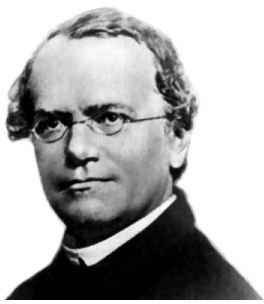
How did a gardening monk make one of the most important contributions in the history of biology? Teach your students about Gregor …
Did you know that humans can combine DNA of two or more organisms to create brand new organisms? Did you know that some of the food you eat …
Without DNA, we wouldn’t be here. It controls all of our physical characteristics, including eye color, hair color, and even the taste buds …
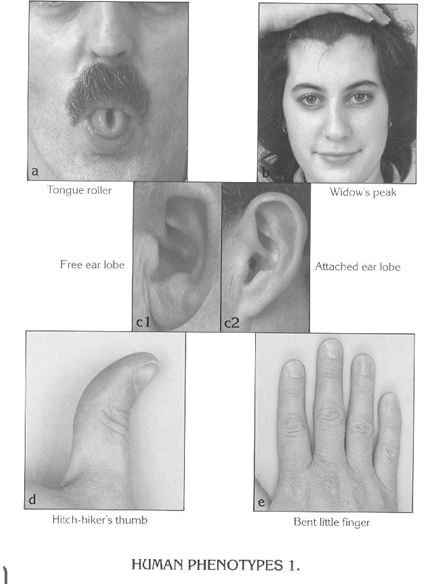
Ever wonder just how alike you and your best friend are? Let’s see what common genetic traits you may share with your friends and other …

Ever wonder how scientists identify fish by their scientific name? It has to with many physical traits such as the number and shape of …
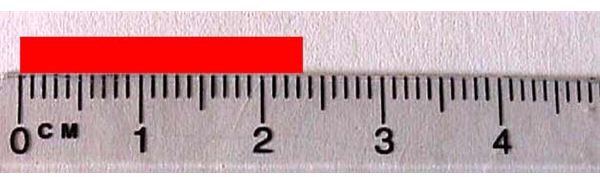
These are some fun ways that students can learn about scientific measurement. Try this measurement scavenger hunt to give students hands-on …

Teaching your class about the parts of a neuron and the function of a neuron? This lesson plan goes over the neurons in the brain, including …