Inclusion Strategies for Mainstreamed Classrooms
Including children with special needs into the mainstream classroom can be a healthy experience for all students in the class, though it may require extra attention from the teacher! Gain a better understanding of the types of inclusion, how you can respond as a teacher to students with special needs, and the types of disorders or disabilities you may encounter. These resources include modified lesson plans and teaching tips to reach all the students in your class.
Most Recent
- Movement in the Classroom: A Closer Look at Brain Gym & Educational Kinesthetics
Can moving while you learn allow you to better grasp concepts and learn more quickly? The theory behind Grain Gym says movement stimulates brain cells and promotes learning. Find out more about how this educational technique works. - Adaptations in the Classroom
The teacher should identify the learning difficulty of the disabled children using diagnostic assessments and classroom testing. Suitable arrangements should be made in the classroom to make the school environment effective for better learning and access for special needs students.
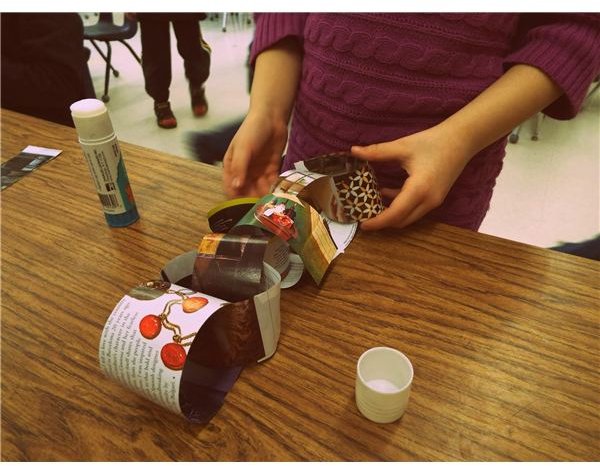
Special Education Guide: Art Activites and Lessons
Often times special eduction students are eager to show their emotions through their creative side. Discover fun engaging art lessons that will help your special needs student embrace their imagination and creativity.- Special Education: A Guide to Technology Options
Teachers who work with students who have special needs may find that their students benefit from assistive devices. These Bright Hub articles can provide information on technology in the classroom, what options are available for different disorders and legal and IEP questions teachers may have. - What Should the General Education Mainstreamed Teacher Know? Test Your IEP and Special Education Law Knowledge
Through mainstreaming, disabled and non-disabled students learn to appreciate and understand each other by learning in the same classroom. Mainstreaming promotes self-confidence, greater independence and new skills in special education students.
Implementing the Project Approach with Special Needs Children
While visions of summer vacation once danced in your head, now visions of teaching something new and creative may be a priority. This article discusses how to bring creativity back into teaching with the Project Approach. Learn how to implement child initiated projects and adhere to standards.- Inclusion Strategies For Teaching the Hearing Impaired
Students who have a hearing loss can greatly benefit from inclusion. When teachers understand the educational and social impacts of hearing impairment, teaching strategies can be put in place to promote acceptance and enhance learning. Read on for ideas on positive inclusion techniques. - Reading Strategy for Special Education Students: Preview and Predict
When students with special needs have reading deficiencies that aren't addressed and yet are asked to participate in a mainstream reading lesson without modifications or accommodations, teachers can predict the outcome. Keep reading to see how teachers can create a different outcome. - Case Example: Approach To Inclusion With Special Needs Students
Gina and Anne are 9th grade LA (Language Arts) teachers who have different attitudes towards the inclusion of students with special needs in their classrooms. In order to teach students with special needs, teachers must understand that they have defining characteristics that may impact learning.
(1 of 10)