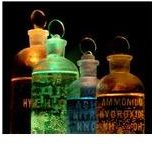
Acid and bases are the two simplest characterizations for substances. They are basically the opposite of each other, and they can be differentiated in a litmus test.
Acids and Bases Overview
Acid and bases are the two basic labels that are used to characterize different substances. They are taught to children as early as
grade school because it is part of the basic knowledge required to understand more sophisticated forms of substances and chemicals.
In the 17th century, an amateur chemist named Robert Boyle started to label substances according to two fundamental characteristics: acids and bases. Substances can be categorized using a simple test called the litmus test. This test involves a dye called litmus. When it comes in contact with acids, it turns red. When it comes in contact with bases, it turns blue. The differences between the two types of substances was not determined until the 1800s when more concrete definitions for acids and bases were given.
All About Acids
The most basic characteristic of acids is the taste, which is sour. It is corrosive to metals and it loses its acidity when mixed with bases. Its corrosive ability makes it a perfect tool when cleaning surfaces, but it also makes it quite dangerous in toxic amounts. All kinds of metals can be affected by acids, even gold. On a molecular level, acids are simply substances that can give off hydrogen ions. They release these ions in water solutions.
Types of acids include the acid in our stomach which is called hydrochloric acid. It helps us digest food, breaking it down so it can be used by our body for energy and nutrients. The acid in citrus fruits like oranges, lemons and limes are citric acid. In vinegar, it is known as acetic acid. Lactic acid can be found in sour cream, sour milk, yogurt and cottage cheese due to the fermentation process of the sugar, lactose.
All About Bases
Usually, base substances are slippery to the touch. Like acids, taste is the most common way to differentiate between acids and bases. Bases are bitter. When mixed with acids, bases lose some of their basic characteristics. As the opposite of acids, bases can take in hydrogen ions, this is according to the Lowry-Bronsted model. When there are equal amounts of acids and bases in a solution, the solution becomes neutralized and it produces water and salt.
Bases have the ability to denature protein, which means it can pose a threat to humans because most of the structural materials human beings are made of are composed of protein. Examples of bases are sodium hydroxide and lithium hydroxide, which are frequently used in the industrial and manufacturing industry.
In handling bases, extra care should be taken in order to avoid harm to the body. They should never be tasted, as they are considered dangerous to the body.
pH Balance
pH is an expression of how acid or bases react in a water solution. A pH balance of 7 is ideal for neutral water solutions. In this situation, acids and bases neutralize each other’s effects and characteristics.
References
Chemtutor: Acids and Bases
Vision Learning: Acids and Bases
Chem4Kids.com: Acids and Bases are Everywhere
Image Credit / Wikimedia Commons / Joe Sullivan