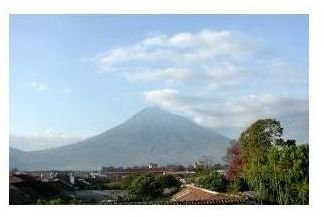
Volcanoes are awesome to look at from a distance and are quite powerful. To understand them better, you will need to know exactly how they are formed. This easy-to-understand guide introduces younger students to one of earth’s most powerful forces.
Volcanic Layers
Underneath the Earth there are many different layers. Each layer is a little different and serves a different purpose.
The top layer that we see is called the Earth’s crust. Above the crust on a volcano you can see the volcano’s core and the tephra (ashes).
Below the Earth’s crust is a series of 16 strata. Strata are plates and they float on top of the middle of the Earth (the mantel). The mantel’s temperature is so hot that all of the rocks exist in a melted form. The rocks in between the middle and the crust are still solid, but can bend or be shaped into different forms.
Pressure and Weakness Combined
Sometimes the Earth’s crust becomes weak, and the pressure under the middle layer of rocks becomes high. With the high pressure the rocks melt and are called magma. The pressure can become so great that it shoots the magma right out. The Earth’s crust is already weak at the top and opens up. This opening becomes the core of the volcano. Once the magma spews out it is called lava. The lava will harden back up once it cools off. This can happen over and over and cause the volcano to get bigger and higher.
Tectonic Plates
Volcanoes can also form when two of the Earth’s tectonic plates (or strata) get pushed together. One of the plates buckles under the other one. This creates a path for the magma to travel around. When the magma ends up close to the surface and is coupled with some pressure behind it, the magma is pushed through the core and it comes spewing out.
Hot Spots
Volcanoes can also be formed in areas of the Earth that have hot spots. Hawaii is one of those places. The temperature below the mantel layer is hotter than anywhere else. The heat makes the rock in the mantel level (the 16 plates) turn into a bubbling liquid. It pushes this liquid (called magma) toward the top. All it takes is a little bit of pressure behind it, and the magma erupts, or comes spewing out from the top of the volcano.
If you enjoyed this article you can also build a volcano. Here’s a simple project using baking soda and vinegar .