Explore practical strategies for teaching fractions using common classroom supplies to create engaging, hands-on math lessons that support student understanding in grades 3 to 5.
Why Use Everyday Supplies to Teach Fractions
Teaching fractions can be abstract for many students, but using everyday classroom supplies helps make these concepts tangible and relatable. Supplies like paper, scissors, rulers, and even classroom snacks provide concrete ways for students to visualize and manipulate fractions. Hands-on activities engage multiple senses, which can deepen understanding and retention. Since these materials are readily available, teachers can easily integrate fraction lessons without needing specialized tools. This approach also encourages creativity and flexibility, allowing educators to adapt lessons to different learning styles and classroom environments.
Paper Folding: Visualizing Fractional Parts
One of the simplest ways to introduce fractions is through paper folding. Start with a sheet of plain paper and guide students to fold it into halves, thirds, fourths, and so on. This physical action helps students see how a whole can be divided into equal parts. After folding, students can label each section with the corresponding fraction. This activity reinforces the idea of equal parts and the meaning of numerator and denominator. Additionally, it can be extended by asking students to color certain fractions, compare sizes, or combine parts to create new fractions.
Using Rulers and Measuring Tools
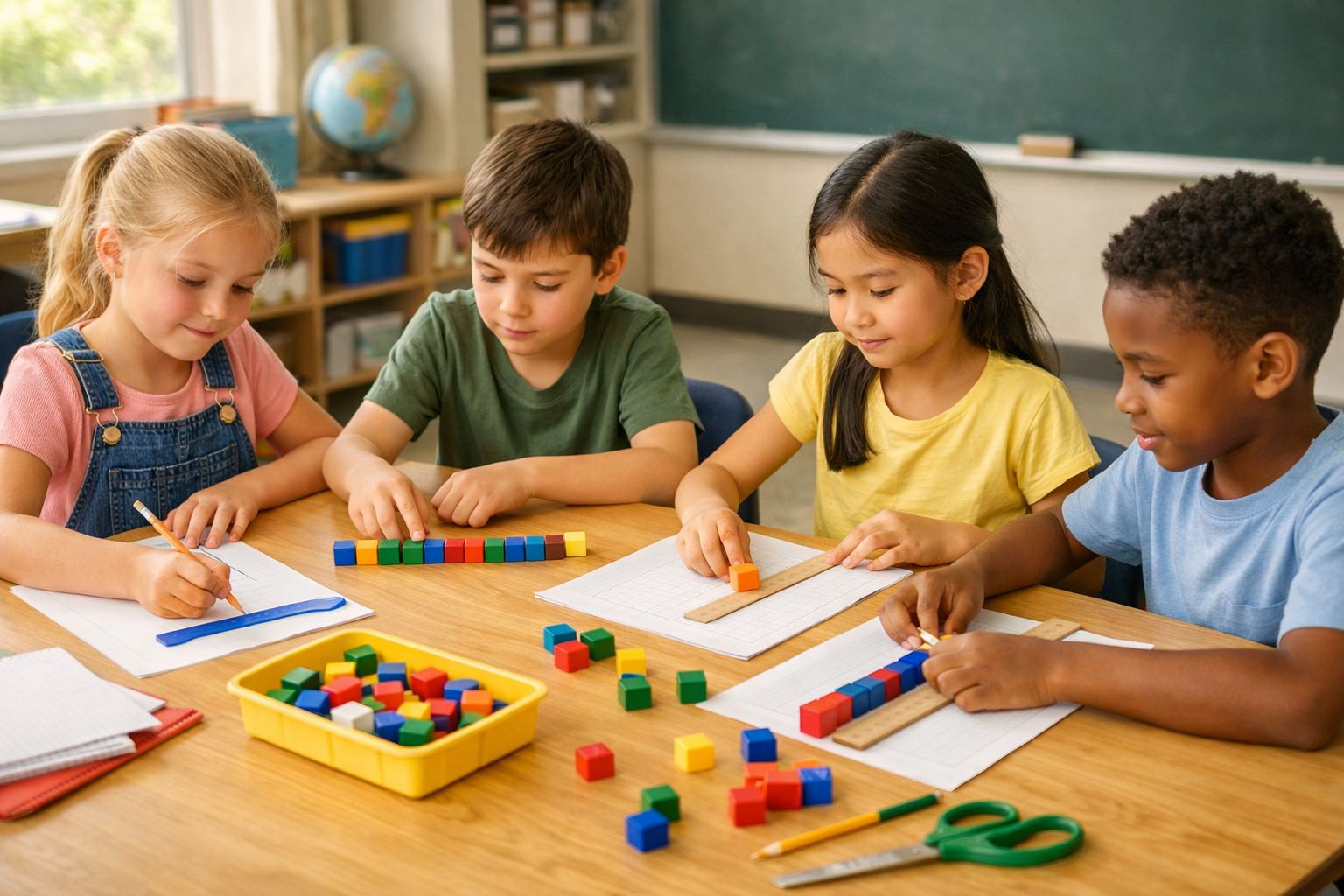
Rulers and other measuring tools are excellent for teaching fractions of an inch or centimeter. By marking and measuring segments, students practice identifying fractional units in a real-world context. For example, ask students to measure lengths and express them as mixed numbers or improper fractions. This hands-on measurement activity connects fractions to everyday tasks like measuring fabric or building projects. It also introduces the concept that fractions represent parts of a whole unit, which is essential for understanding more complex math concepts later.
Fraction Circles and Pie Charts with Paper Plates
Paper plates can be transformed into fraction circles or pie charts. By cutting plates into equal slices, students can physically manipulate pieces to explore addition, subtraction, and equivalency of fractions. For instance, cutting a plate into four equal parts allows students to see what one-fourth looks like and how two-fourths compare to one-half. This tactile experience helps solidify the connection between visual fractions and numerical representations. Teachers can also use this method to introduce concepts of fraction comparison and ordering.
Using Classroom Snacks for Fraction Practice
Snack items like crackers, grapes, or pretzels offer a tasty and motivating way to practice fractions. Dividing snacks into equal groups or parts lets students apply fraction concepts in a familiar context. For example, give each student a small handful of crackers and ask them to divide the crackers into halves or thirds. They can then share or eat their fractions, reinforcing the idea that fractions represent parts of a whole. This method works well as a quick review or assessment tool but should be adapted considering allergies and school food policies.
Fraction Number Lines with Masking Tape
Creating a large fraction number line on the classroom floor using masking tape provides a kinesthetic learning opportunity. Mark equal intervals representing fractions such as halves, quarters, and eighths. Students can physically step to the correct position when identifying or comparing fractions. This active engagement helps with understanding fraction order, equivalency, and size. It also supports students who benefit from movement-based learning and spatial reasoning. The number line can be reused for various fraction operations and integrated into other math lessons.
Incorporating Manipulatives Like Counters and Blocks
Counters, cubes, or blocks are versatile tools that can represent fractions by grouping or partitioning sets. For example, use a set of 12 blocks and color 3 to illustrate three-fourths or one-fourth depending on how the blocks are grouped. This visual and tactile approach supports students in understanding fractions as parts of a set rather than just parts of a whole. Manipulatives encourage experimentation and discovery, helping students develop fraction sense through hands-on exploration.
Tips for Adapting Activities to Your Classroom
When using everyday supplies to teach fractions, consider your students’ grade levels, interests, and learning needs. Younger students may benefit from simple partitioning activities, while older students can tackle more complex fraction operations using the same materials. Be mindful of classroom resources and time constraints, and adjust activities accordingly. Encourage students to explain their thinking and share different methods for solving fraction problems. This promotes deeper understanding and fosters a supportive learning community.
Encouraging Fraction Discussions and Reflection
After hands-on activities, it is important to engage students in discussions about what they observed and learned. Ask questions like “How did folding the paper help you understand fractions?” or “What did you notice about the snack divisions?” Reflection helps students make connections between concrete experiences and abstract concepts. It also gives teachers insight into student understanding and areas that may need further clarification. Encourage students to use correct fraction vocabulary during these discussions to build math language skills.
Teaching fractions with everyday classroom supplies offers a flexible and effective way to make math concepts accessible and engaging. By incorporating hands-on activities that use familiar materials, educators can support diverse learners in developing a strong foundation in fractions. These strategies can be adapted and expanded to fit various classroom settings and student needs, helping teachers create meaningful math experiences without requiring specialized resources.