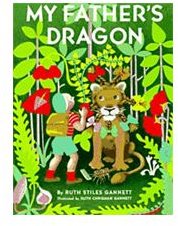
“My Father’s Dragon” is a classic Newbery Honor Book telling the tale of a young boy who runs away from home to rescue a dragon. When studying this book, there are many activities you can do to reinforce vocabulary. Find some great ideas below and a downloadable assessment worksheet.
What’s This Word?
Here are 40 vocabulary words listed in order of occurrence in the book. Use them all or pick and choose! The definitions are given based on how the word is used in the book.
-
alley cat – n. a cat that lives and roams around a town
-
obliged – v. grateful
-
furnace – n. an appliance used to heat a room or building
Advertisement -
saucer – n. a shallow dish
-
particularly – adv. especially
-
stray – adj. a domesticated animal without a home
-
apologize – _v._express regret for something
-
inhabited – v. lived in or occupied
-
weep – v. cry
Advertisement -
inconvenient – adj. difficult or causing trouble
-
moody – adj. having unpredictable changes in moods or emotions
-
dependable – adj. reliable, can be trusted
-
patient – adj. able to wait without becoming annoyed
-
miserable – adj. very unhappy
-
knapsack – n. a bag with shoulder straps to carry supplies
-
compass – n. an instrument that has a pointer to show magnetic north
-
grain – n. wheat or other cereal crop
-
gangplank – n. a movable wooden ramp to get on and off of a ship
-
hold – n. a place for carrying cargo on a ship
-
merchant – n. a person involved with wholesale trading
-
punctual – adj. on time
-
wahoo bush – n. a shrub that is also called a burning bush
-
tortoise – _n._land dwelling reptile in the order of turtles
-
solemn – adj. serious, not cheerful
-
trundled – v. to move slowly and heavily
-
contradict – v. to say the opposite of someone’s statement
-
mahogany – n. type of tree that produces reddish-brown wood
-
suspicious – adj. cautious distrust of something
-
prancing – v. walking with exaggerated movements
-
forelock – n. a lock of hair growing above the forehead
-
snarl – n. a tangled mass of hair
-
banyan – n. an Indian fig tree
-
dignified – adj. behaving in a proper or respectable way
-
miraculous – adj. something extraordinary bringing good consequences
-
frantically – adj. hurried, chaotic and excited way
-
mangroves – n. plant that grows along a tropical coast with tangled roots above ground
-
disorderly – adj. behavior that is not peaceful or orderly
-
ranting – v. speaking in a loud way with passion
-
stampeded – v. a panicked rush of a mass of people or animals
-
bellowing – v. a deep loud roar usually given in pain or anger
Learning New Vocabulary
Introduce the words as you come across them in the book. Read them in context and ask students to use the surrounding clues to define the word.
Group Presentation
Divide your students into cooperative groups. Then assign each group five vocabulary words. Each group should have different words from the other groups. When assigning the words try to give each group a good mix of words. The assignment for the group is to think of a creative way to present the vocabulary words to the class. The presentation of information should include the meaning (based on how it is used in the book), the part of speech, the number of syllables, and any tricks to remember the spelling of the word. Does it have any silent letter or unique spelling pattern?
Forms of presenting the word could include: dramatization, charades, props, use of chalkboard or white board, audience participation, game or poster.
When it is time to present words, each group should present one word at a time. Then move on to the next group to keep the momentum going. This way a group does not lose focus once their presentation is over. They will soon be presenting again.
Move and Learn!
Materials:
- Sentence strips
- Permanent marker
Write each vocabulary word on a separate sentence strip making the letters large enough for all students to see. Give one strip to each student. Then you are ready to do several activities:
- Instruct students to work together to put themselves in alphabetical order based on the vocabulary word each student is holding. Just for fun try it a second time and time them!
- Instruct students to sort themselves into these groups: noun, verb and adjective based on the word each student is holding and how it is used in the book.
- Instruct students to sort themselves in groups according to the number of syllables in the vocabulary word that each student is holding.
- Display the vocabulary cards. Then divide students into teams. Read a definition and one player from the team must say the correct vocabulary word to win a point for the team. Go back and forth until all words are used.
- Play a vocabulary building game .
- Allow student to create a word wall using the sentence strips.
Assessment Tools
- Students should write a sentence for each assigned vocabulary word. Stress neat handwriting and correct punctuation. Complete sentences must be used.
- Spelling test over assigned vocabulary words.
- Use the downloadable “My Father’s Dragon” vocabulary lesson worksheet .
References
- Gannett, Ruth Stiles. My Father’s Dragon. Random House Books for Young Children, 1987.