Spanish has thousands of colorful idioms and sayings, but only a few that allude directly to “el caballo,” the horse. The Spanish conquered much of the western hemisphere on the back of this noble animal, but left it to our Anglo culture to come up with many more of our own horse idioms.
Spanish expressions using “el caballo”
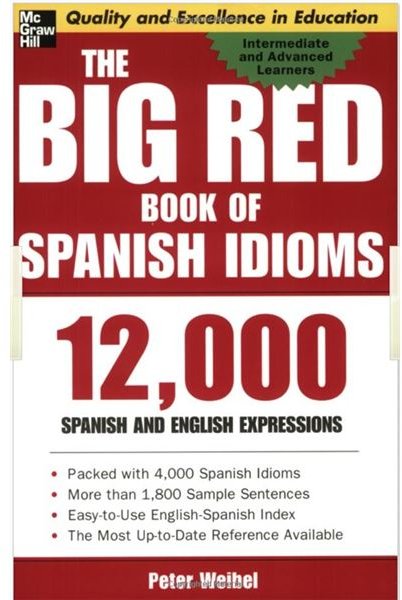
The Big Red Book of Spanish Idioms shows only a few Spanish expressions and sayings that use the English concept of “horse.” Here are a few:
-
A caballo regalado, no mires el diente. We all know this one: “Don’t look a gift horse in the mouth.”
-
El caballo malo hay que venderlo lejos. This sage advice, “Make sure you sell a poor quality horse far away from home,” can be taken literally. We could also take it to mean something like, “If you need to behave badly, do it away from home.
-
Como un caballo en una cacharrería. Literally, “like a horse in a china shop,” this is the Spanish counterpart to the English “like a bull in a china shop.” The meaning is the same, but the animals are different.
Advertisement -
Dar un gallo para recebir un caballo. This translates “to give a rooster to get a horse.” The idea of this would be along the lines of baiting a hook with a shrimp in order to catch a large marlin.
-
Entrada de caballo y salida de burro. Translating to “entering on horseback and leaving on a burro,” this tongue-in-cheek expression refers to never starting something you cannot finish.
-
Meterse entre las patas de los caballos. This means “to put oneself under the horses’ feet,” which implies getting out of one’s depth.
-
A matacaballo. This is a combination adverb and idiom that means “at breakneck speed,” or fast enough to kill a horse.
English expressions using “horses” lost in translation
English has quite a few expressions using the word “horse” that, when translated to Spanish, come nowhere near our four-legged friend. For example, we horse around and have horseplay. Spanish goes for the more prosaic hacerse el payaso (meaning “to make oneself a clown”). Let’s look at some of the most used English expressions using “horse” and their unusual Spanish counterparts.
To close the barn door after the horse has gotten out.
Spanish has two popular phrases for this. One is sort of amusing, and the other is somewhat obscure:
-
Asno muerto, la cebada al rabo. Literally, “feeding grain to the tail of a dead donkey,” this is roughly the same idea as in English.
-
A buenas horas, mangas verdes. This obscure version literally translates to “The green-sleeved police always arrive on time.” It is a sarcastic allusion to late-arriving rural police in Spanish history who, for fear of rural bandit gangs, seemed to show up long after crimes were committed.
To beat a dead horse
Spanish conveys the same idea of forlorn effort with three of its own expressions:
-
Azotar el aire. To beat at the air.
-
Machacar en hierro frio. To pound something with a cold iron (i.e., in a blacksmith’s shop)
-
Arar en el mar. To plow in the sea
To put the horse before the cart
Spanish substitutes a radish for a horse here, but, again sort of conveys the same idea:
- Tomar el rábano por las hojas. Literally this translates, “to eat the leaves before the radish,” which would, like putting the horse before the cart, be the wrong way around.
A horse of a different color
Spanish has two popular expressions for this one. One involves a rooster and the other uses a sack of flour:
-
Otro gallo nos cantará. A different rooster will sing for us**.**
-
Eso es harina de otro costal. That’s flour from another sack.
Straight from the horse’s mouth
Spanish remains quite literal in its version of this popular English expression:
- Saberlo de Buena fuente. To know something from a good source.
Hold your horses!
Spanish takes a more modern view of this one:
- ¡Para el carro! or ¡Echa el freno! - Stop the car! or Hit the brakes!
If wishes were horses, beggars would ride.
This one is a classic:
- Si mi tia tuviera ruedas, sería una bicicleta. If my aunt had wheels she would be a bicycle.
And finally…
Horse sense in Spanish is el pesquis, which means “inside knowledge.” Horse trading is la component****a, which curiously translates to “shady dealing” or a “scam.”