Explore practical vocabulary notebook ideas designed to engage students and encourage regular revisiting for improved language retention and classroom success.
Creating a Vocabulary Notebook That Students Want to Use
Vocabulary notebooks are valuable tools for building language skills, but they only work if students actually use and revisit them regularly. To make vocabulary notebooks a dynamic part of learning, teachers can implement creative formats and strategies that engage students and suit diverse learning styles. These ideas support deeper word knowledge and help integrate vocabulary into everyday language use.
Choosing the Right Notebook Format
The first step is selecting a notebook format that feels inviting and manageable for students. Some prefer traditional lined notebooks, while others benefit from graph or dot-grid pages that allow for drawing and flexible layouts. Consider allowing students to personalize their notebooks with covers or dividers to foster ownership. Digital notebooks can be an alternative for tech-friendly classrooms, but physical copies often encourage tactile interaction and easier quick referencing.
Incorporating Visual Elements
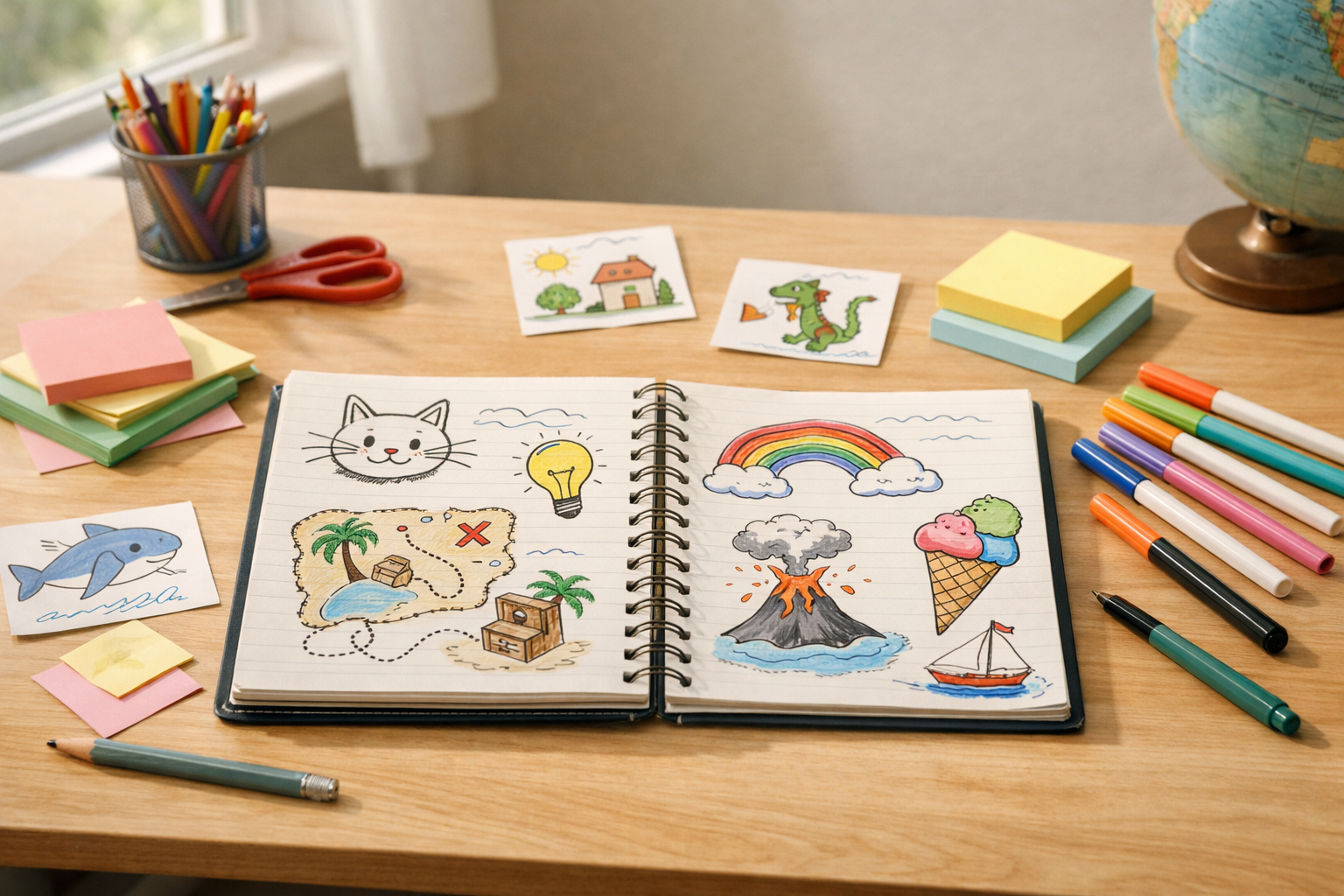
Visuals can make vocabulary more memorable. Encourage students to add sketches, symbols, or color-coding alongside definitions. For example, drawing a small picture related to the word’s meaning or using colored pens to highlight parts of speech can enhance recall. Visual cues help cater to different learning preferences and break the monotony of text-only entries.
Using Contextual Sentences
Rather than just writing definitions, students should create their own sentences using new words. This practice deepens understanding by placing vocabulary in context. Encourage them to write sentences related to their interests or current lessons to make the words more relevant. Revisiting these sentences also helps students see how words function in different contexts.
Adding Word Origins and Connections
Exploring word origins, such as roots, prefixes, and suffixes, can demystify unfamiliar vocabulary and reveal patterns. Students can note these in their notebooks, along with synonyms, antonyms, and related words. This interconnected approach builds a richer mental map of language, making it easier to infer meanings of new words encountered later.
Interactive Vocabulary Activities
To encourage regular use, incorporate activities that require students to interact with their notebooks. Examples include weekly quizzes, peer sharing sessions, or vocabulary games that reference notebook entries. These activities turn the notebook into a living resource rather than a static assignment. They also promote collaborative learning and reinforce retention.
Personalized Word Lists
Allow students to include personalized word lists based on their reading, interests, or challenges. These can be sections in the notebook dedicated to favorite words, difficult words they want to master, or thematic lists (e.g., science terms, emotions). Personalized lists motivate students by connecting vocabulary learning to their own experiences and goals.
Regular Review and Reflection
Set aside time for students to review and reflect on their vocabulary notebooks periodically. Prompt them to identify words they’ve mastered, words they find tricky, or new words they want to add. Reflection helps students take charge of their learning and recognize progress, increasing motivation to keep using the notebook.
Tips for Teachers to Support Vocabulary Notebook Use
- Model notebook use by sharing your own entries or examples.
- Provide clear guidelines and examples for entries.
- Encourage creativity and flexibility in how students organize their notebooks.
- Integrate vocabulary notebook work into lesson plans and homework.
- Offer feedback and celebrate student efforts to reinforce positive habits.
Adapting Ideas for Different Grades and Needs
Not all students will engage with vocabulary notebooks the same way. Younger students may benefit from more visuals and simpler entries, while older students can handle more detailed explanations and analyses. For English language learners, including translations or cognates might be helpful. Teachers should tailor the notebook approach based on student age, language proficiency, and classroom context.
Maintaining a Balance Between Structure and Freedom
Providing structure helps students know what to include, but too much rigidity can stifle creativity and interest. A balanced approach gives essential components-like word, definition, sentence, and part of speech-while encouraging additional notes, drawings, or personal connections. This flexibility supports diverse learning styles and keeps vocabulary notebooks engaging.
Encouraging Real-World Application
Encourage students to use their vocabulary notebooks beyond the classroom. They might refer to them when writing essays, preparing presentations, or reading independently. Making the notebook a practical tool for communication reinforces its value and encourages ongoing use.
Closing Thoughts
Vocabulary notebooks can become powerful assets when thoughtfully designed to engage students and meet their individual needs. By incorporating visual elements, contextual sentences, word connections, and interactive activities, teachers can help students build meaningful vocabulary knowledge. Regular review and personalization keep the notebooks relevant and encourage repeated use, supporting stronger language skills over time. Teachers are encouraged to adapt these ideas to fit their classroom dynamics and student preferences, fostering a love for words and confident communication.