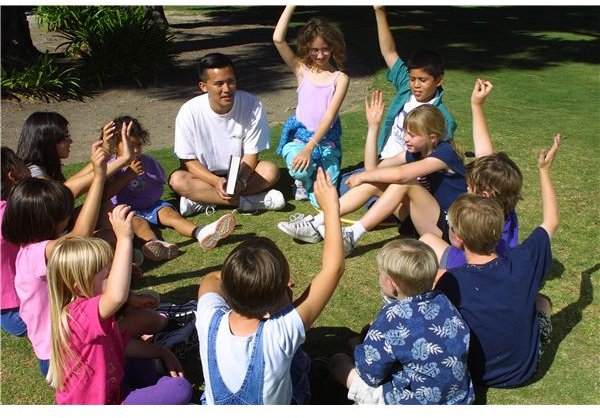
Effective parent-teacher conference preparation begins well before conference week with organized communication, student progress tracking, and proactive planning to foster meaningful dialogue.
Preparing for parent-teacher conferences is a vital part of fostering strong partnerships between educators and families. When preparation begins well before conference week, teachers can create more meaningful, organized, and productive meetings that support student growth. This article offers practical strategies for early preparation, helping teachers manage their workflow and improve parent communication.
Start with Organized Student Records
One of the first steps in effective conference preparation is organizing student records. Maintaining up-to-date and accessible information about each student’s academic progress, behavior, and social development makes it easier to provide specific examples during conferences. Teachers can use digital tools or simple notebooks to track grades, assessment results, and anecdotal notes.
For example, creating a digital folder for each student that includes recent work samples, progress reports, and behavior logs allows quick reference during meetings. This organization also helps teachers identify patterns or areas needing attention well before conferences.
Communicate Early and Clearly with Parents
Waiting until conference week to notify parents can limit their ability to prepare questions or arrange their schedules. Sending invitations or reminders several weeks in advance demonstrates respect for parents’ time and encourages better attendance.
Consider including a brief explanation of the conference purpose and what parents can expect. For instance, a message might say, “We look forward to discussing your child’s progress and ways we can support their learning together.” Offering multiple time slots or virtual meeting options can also increase participation.
Gather Student Input
Involving students in the conference process can provide valuable insight and encourage their ownership of learning. Before conferences, teachers might ask students to reflect on their strengths, challenges, and goals.
For example, a simple worksheet prompting students to write about what they enjoy in class, what they find difficult, and what they hope to improve can be shared with parents during the meeting. This practice helps personalize the conversation and highlights the student’s perspective.
Prepare Key Talking Points and Goals
Conferences are most effective when focused on clear objectives. Teachers should outline key talking points tailored to each student’s needs, such as academic achievements, social skills, or areas for growth.
Setting specific goals to discuss can guide the conversation and demonstrate a proactive approach. For example, a teacher might plan to talk about a student’s improvement in reading fluency while also addressing strategies to enhance time management skills.
Plan Strategies for Sensitive Topics
Some conferences may involve discussing sensitive issues like behavioral concerns or learning difficulties. Preparing thoughtful, empathetic language ahead of time helps maintain a positive tone.
Rather than simply stating problems, teachers can frame challenges with potential solutions. For example, “I’ve noticed that your child sometimes struggles with staying focused during lessons. We are trying some new strategies, such as breaking tasks into smaller steps, which seem promising. I’d appreciate your thoughts and any support you can offer at home.”
Use Visual Aids and Examples
Visual materials can make discussions more concrete and engaging. Bringing student work samples, charts showing progress, or portfolios can help parents see their child’s development clearly.
For instance, a before-and-after writing sample can illustrate improvement, while a graph tracking math quiz scores can highlight trends. These visuals support transparency and foster collaborative problem-solving.
Schedule Time for Questions and Next Steps
Allowing sufficient time for parents to ask questions and discuss next steps is crucial. Teachers should be ready to listen carefully and provide practical suggestions tailored to the family’s context.
Encouraging parents to share their observations or concerns also helps build trust. Ending the conference with a summary of agreed-upon actions and follow-up plans ensures continuity.
Reflect and Adjust for Future Conferences
After conference week, taking time to reflect on what worked well and what could improve benefits future preparation. Gathering informal feedback from parents or colleagues can provide useful insights.
For example, a teacher might notice that offering virtual conference options increased attendance or that certain communication methods were more effective. Using these observations to refine the process supports ongoing improvement.
By starting parent-teacher conference preparation early and approaching it with organization, empathy, and clear communication, teachers can create positive experiences that strengthen partnerships and support student success. Each classroom and student is unique, so adapting these strategies to fit specific needs will maximize their effectiveness.