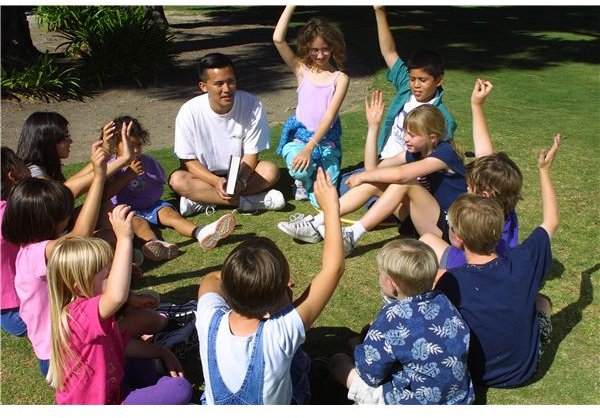
Resetting classroom routines after a long weekend helps students regain focus and promotes a smooth transition back to learning with clear expectations and engaging activities.
Returning to the classroom after a long weekend can disrupt established routines and affect students’ focus and behavior. Teachers face the challenge of helping students quickly readjust to classroom expectations while maintaining a positive and productive environment. Resetting routines is essential to reestablish order and support learning.
Recognize the Impact of the Long Weekend
Long weekends often give students more unstructured time, which can lead to irregular sleep schedules, reduced attention spans, and a temporary lapse in school-related behaviors. Acknowledging these factors helps teachers approach the first day back with patience and realistic expectations. For example, a teacher might notice that students are more chatty or restless than usual, signaling that a gentle, structured reset is needed.
Begin with Clear, Concise Expectations
Start the day by reviewing classroom rules and routines. Keep explanations simple and age-appropriate. For younger students, a quick review of how to line up, raise hands, or transition between activities can be helpful. Older students may benefit from a brief reminder of homework submission policies or class participation norms. Using a visual schedule or checklist can reinforce these expectations, making it easier for students to follow along.
Use Engaging Activities to Reestablish Focus
Incorporate activities that require collaboration and active participation to help students settle back into the classroom rhythm. For example, a quick team-building exercise or a short group discussion about weekend experiences can channel energy positively. Such activities also foster community and ease anxiety that sometimes comes with returning to school after a break.
Reintroduce Routines Gradually
Instead of expecting students to immediately perform all routines perfectly, reintroduce them step by step. For instance, begin with morning procedures like attendance and morning work, then move on to transitions between subjects. This gradual approach reduces overwhelm and allows students to rebuild habits in manageable increments.
Use Visual Aids and Reminders
Visual cues such as posters, charts, or color-coded bins can support students in recalling routines without constant verbal reminders. For example, a chart illustrating the steps to pack up at the end of the day helps students independently prepare for dismissal. Visual aids are particularly helpful for students who benefit from additional structure or have difficulty with auditory instructions.
Reinforce Positive Behavior with Specific Praise
Acknowledging students who follow routines correctly encourages others to do the same. Instead of generic praise, offer specific feedback like, “I appreciate how quietly you lined up today,” or “Thank you for turning in your homework on time after the weekend.” This reinforces the connection between behavior and positive outcomes.
Address Challenges with Flexibility and Support
Some students might struggle more than others to readjust. Offering additional support, such as a quiet space for calming down or one-on-one reminders, can make a difference. Flexibility might include adjusting seating arrangements or providing extra time for transitions. Being attuned to individual needs helps maintain a supportive classroom climate.
Communicate with Families
Informing families about the importance of routine resets can encourage consistency between home and school. A brief note or email explaining the classroom’s plan for the first day back and tips for preparing students can foster partnership. For example, suggesting that families reinforce bedtime schedules over the weekend can improve students’ readiness.
Plan for Consistency in the Following Days
Reestablishing routines is not a one-day effort. Consistency in expectations and procedures over the days following the long weekend solidifies habits. Teachers might schedule brief routine check-ins or use morning meetings to revisit classroom norms and address any emerging issues.
Practical Example: Morning Meeting to Reset the Day
Starting the first day back with a morning meeting that includes a discussion about weekend highlights, a review of daily schedules, and a reminder of behavior expectations can set a positive tone. Incorporating a routine song or greeting helps signal the return to school mode and builds community.
Practical Example: Visual Schedule for Transitions
Posting a visual schedule with icons representing each part of the day helps students anticipate what is next and reduces anxiety. For instance, showing pictures for “Math,” “Snack Time,” “Recess,” and “Reading” gives clear cues that support smooth transitions.
Final Thoughts
Resetting classroom routines after a long weekend requires a balance of structure, patience, and engagement. By clearly communicating expectations, using visual supports, and providing positive reinforcement, teachers can help students quickly regain focus and reestablish productive habits. Remember that flexibility and understanding are key, as each classroom and student group may need tailored approaches. Consistency in routine practice over several days ensures that the benefits of the reset endure, creating a stable learning environment for all.